Addiction – noun ə-ˈdik-shən, a-: persistent compulsive use of a substance known by the user to be harmful. (Merriam-Webster)
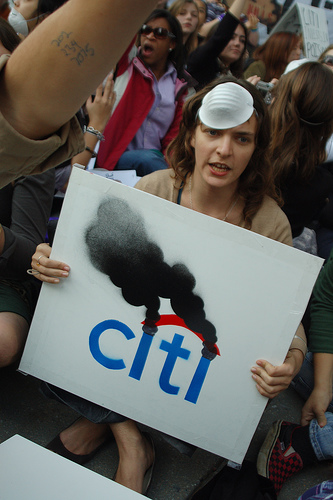 Citi has a problem. Despite renewing its vows in 2009 to tackle “Environmental and Social Risk Management,” including mountaintop removal coal mining, Citi is relapsing into fossil fuel addiction.
Last year, Citi raised more than $34 billion for the coal and oil industries, but raised less than two percent of that amount for companies developing renewable energy like wind and solar.
Dirty deals led by Citi last year included a $500 million bond issued by Transcanada, proponent of the Keystone XL pipeline. The $7 billion pipeline would carry crude oil strip-mined from Canada’s tar sands 1,800 miles south to the Gulf States for refining. The project would triple US oil imports from the tar sands and threaten the largest fresh-water aquifer in the world, while keeping the United States addicted to oil for many decades to come.
Citi also led the combination of Massey Energy and Alpha Natural Resources. At over $7 billion, the acquisition creates the largest mountaintop removal coal mining company in the country. MTR has devastated the Appalachian landscape and displaced hundreds of families from the region.
Other low points from 2010 include raising $1.3 billion for BP and Transocean — the companies responsible for the Gulf oil spill.
Citi needs to stop making excuses and denying that it has a problem. That’s why RAN is staging an intervention. Today, people around the world are making a difference in all of our futures by picking up the phone and calling a banker at Citi. This is no email petition, we’re actually putting our supporters on the phone with the bankers that need to know about Citi’s financing of fossil fuels so that they can help their company change course.
If you are a Citi employee reading this and want get in touch with RAN, please email answers@ran.org.